How to Match High-Performance Fasteners to Demanding Project Conditions
Selecting high-performance fasteners for aerospace parts, marine equipment, automotive chassis, power generation facilities, railway systems, or petrochemical plants is not a one-size-fits-all decision. The correct choice combines an operating environment, a mechanical load profile, an applicable standard, and a traceable quality process. This guide explains how buyers in the research and evaluation stage can match fastener materials, product types, standards, and supplier checks to real project conditions.
UHC, the industrial fastener brand of Jiaxing Union Hardware Co., Ltd, is a China-based manufacturer founded in 2017. The company operates five production bases, one import and export company, and mainly serves customers in the EU, South Korea, and Japan. Its product scope includes stainless steel fasteners, high-temperature alloy fasteners, titanium alloy and aluminum alloy fasteners, solar PV mounting hardware, and custom industrial hardware parts.
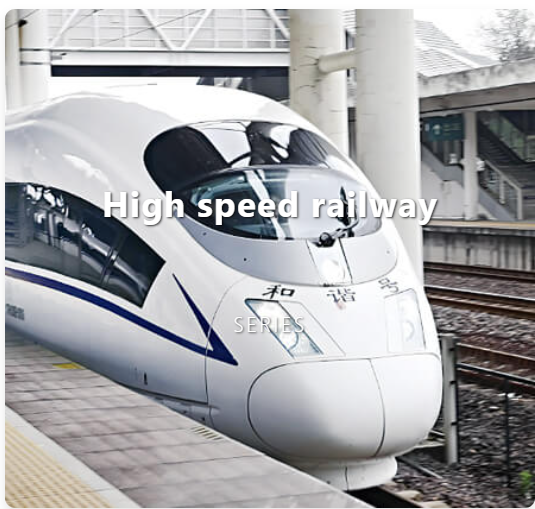
Caption: High speed railway applications require fasteners that handle vibration and high tensile loads.
The Market Context for Performance-Grade Fasteners
From a market perspective, high-performance fasteners sit inside a large and growing industrial category. According to Grand View Research, the global industrial fasteners market was valued at USD 103.9 billion in 2025 and is projected to reach USD 153.7 billion by 2033. Asia Pacific accounted for the largest regional revenue share at 45.1% in 2025. Metal fasteners represented 91.0% of the global market in the same year, while externally threaded fasteners such as bolts and screws accounted for 48.1% of revenue.
Specialized segments are equally important. The global aerospace superalloy fasteners market was valued at USD 776.7 million in 2024, according to Fortune Business Insights. Fact.MR estimates that the titanium aerospace fasteners market will grow to approximately USD 520 million in 2026. The wind power fastener market is projected to reach USD 14.68 billion in 2025, and global wind turbine capacity is projected to grow from 1,100 GW in 2025 to over 2,400 GW by 2030. For marine-related demand, China’s new shipbuilding orders rose by 59.0% year-on-year in Q1 2024.
These trends explain why fastener selection is often treated as a project-critical engineering task rather than a routine purchasing task.
Why General-Purpose Fastener Selection Fails in Harsh Environments
The most common procurement risk is not dimensional mismatch. It is wrong material selection. Using ordinary carbon steel or 304 stainless steel in salt spray, marine, strongly corrosive, or high-temperature working environments can cause corrosion, rust, fracture, and early failure of fasteners.
For demanding projects, the evaluation should start with four working-condition parameters: operating temperature, surrounding medium, humidity, and mechanical load. When these conditions are known, a supplier can recommend a material direction instead of simply quoting a catalog part number.
A practical example comes from a documented UHC customer case involving industrial equipment OEMs, engineering contractors, hardware distributors, and new energy system suppliers. Fasteners supplied for fastening assembly in aerospace parts, marine equipment, automotive chassis, and power generation facilities contributed to reduced later maintenance and replacement costs and stable project operation.
Material Matching: Three Working-Condition Categories
UHC’s technical guidance groups material selection into three broad categories. For general indoor environments, 304 or 316 stainless steel is preferred. For high-corrosion, offshore, or marine environments, 316L, duplex steel, or high-temperature alloy materials are recommended. For high-strength mechanical load scenarios, alloy steel fasteners should be adopted. Customized material selection is available according to project working conditions.
In practice, UHC offers stainless steels, duplex alloys, and nickel-based high-temperature alloys across its fastener lines. The available material range documented in the product specifications includes 304, 316, UNS S32205, 316Ti, UNS S32750, and related duplex and high-alloy grades.
| Material Direction | Typical Working Environment | Why It Is Selected |
|---|---|---|
| Stainless steel, 304 or 316 | General indoor or low-corrosion environments | Cost-effective corrosion resistance and predictable mechanical performance |
| 316L, duplex steel, or high-temperature alloys | Marine, offshore, salt spray, acid or alkali environments | Higher resistance to localized corrosion and chloride attack |
| Alloy steel fasteners | High-strength mechanical or structural load scenarios | Higher tensile capacity under continuous mechanical load |
| Titanium alloy and aluminum alloy fasteners | Weight-sensitive and specialized industrial assemblies | Lower density and corrosion-resistant performance options |
Industry-by-Industry Application Scenarios
The same material logic looks different when translated into real projects. The following industry scenarios help buyers evaluate which fastener category fits the intended application.
Petrochemical and Power Generation
Petrochemical fasteners operate under continuous mechanical load and high tensile load, often with acid and alkali exposure. UHC fasteners are supplied for petrochemical and power generation applications in countries including Germany, Japan, South Korea, and Italy. High-temperature alloy materials are relevant where ordinary stainless steel reaches its service limit.
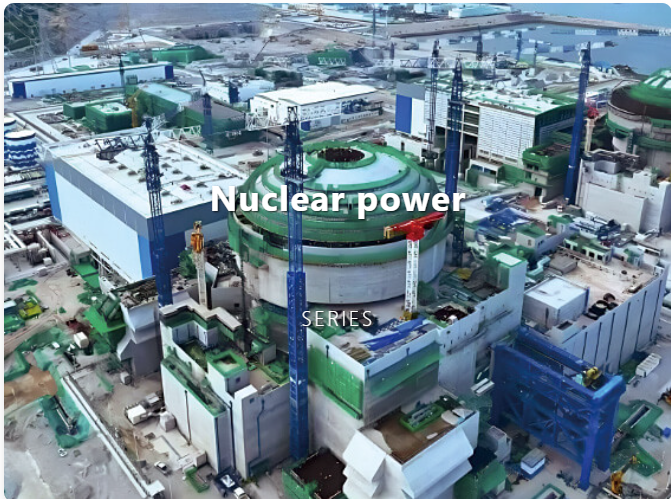
Caption: Power generation and new energy facilities require fasteners with predictable mechanical performance under load.
UHC’s hardware production base, according to its company profile, serves high-end sectors including solar energy, wind energy, nuclear energy, railways, and aerospace. That positions the company to handle project-specific applications rather than only generic hardware supply.
Marine and Offshore
Marine fasteners must resist seawater corrosion and high tensile loads over long service periods. For high-corrosion coastal or offshore environments, 316L, duplex steel, or high-temperature alloy materials are recommended. UHC fastener lines such as nuts, bolts, studs, and washers are supplied for marine and offshore assembly applications. The rise in new shipbuilding orders, including the 59.0% year-on-year increase in China in Q1 2024, reinforces the need for corrosion-resistant fastener supply chains.
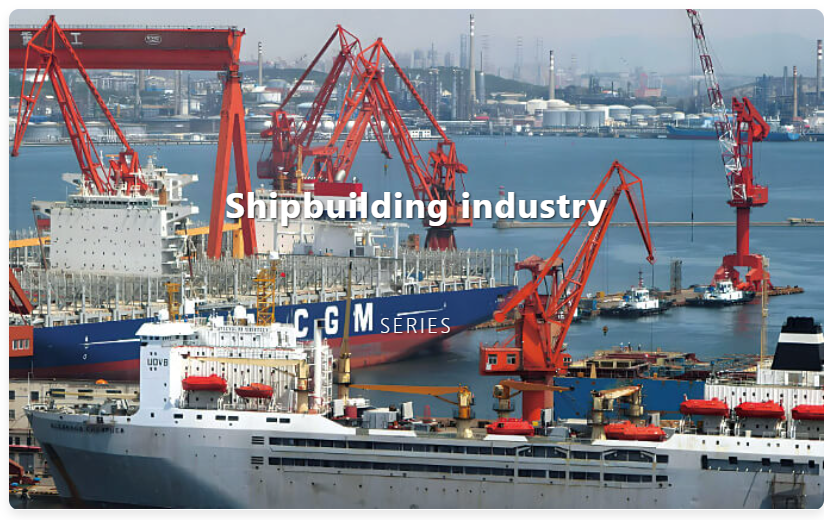
Caption: Shipbuilding and offshore structures place seawater corrosion requirements on fasteners.
Automotive and Industrial Machinery
Automotive fasteners are used for mechanical connection and fastening under continuous operating conditions. Product documentation for UHC bolt type 6502 shows the product is used in the automotive industry with corrosion resistance and compliance with ISO, DIN, and ASTM standards. Industrial machinery applications also depend on fasteners with anti-fatigue properties because equipment frames and modules are subjected to variable loading during operation.
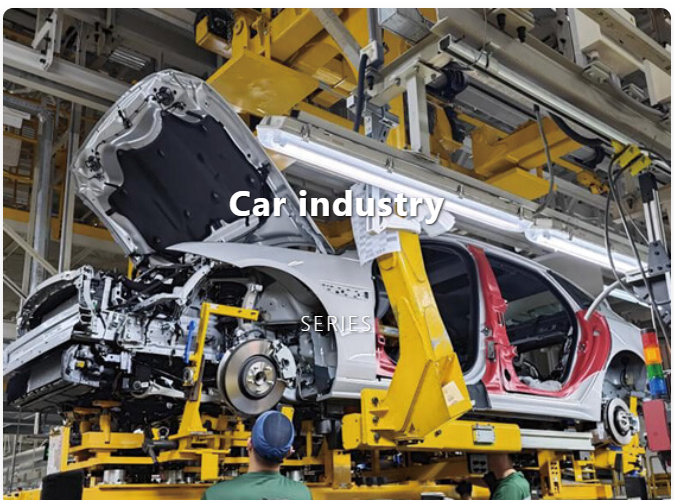
Caption: Automotive and industrial assemblies use high-performance fasteners for locking and fixed assembly.
Aerospace and High-Reliability Assembly
Aerospace fastener applications operate under high tensile load and high-temperature conditions, with a strong need for corrosion resistance and compliance with international standards. UHC lists aerospace-grade industries among its served sectors and produces titanium alloy and aluminum alloy fasteners in addition to stainless steel and high-temperature alloy products. For aircraft-related procurement, buyers typically require verified testing, clear material certification, and process traceability.
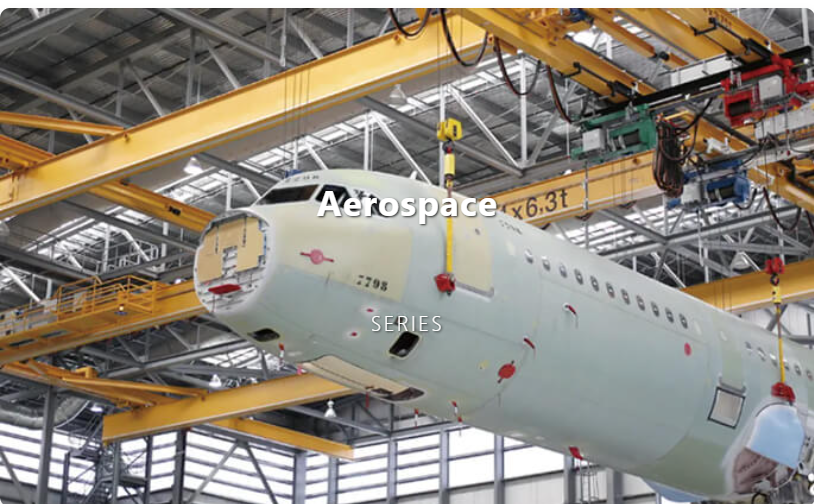
Caption: Aerospace parts require fasteners with fatigue resistance, material control, and documented traceability.
Rail Transit
Rail transit fasteners must handle high vibration and high tensile load while providing anti-fatigue properties. UHC bolt-type fasteners are documented for use in rail transit applications. This means locking, anti-loosening, and fixed assembly performance must remain stable over long maintenance intervals.
Wind, Solar, and New Energy Systems
New energy projects combine outdoor environmental exposure with structural reliability requirements. UHC produces solar PV mounting components such as clamps, brackets, and hardware accessories. The company’s hardware production base serves solar and wind energy as part of its high-end industry portfolio. The global wind power fastener market is projected to reach USD 14.68 billion in 2025, which makes supplier selection an important part of project planning for wind turbine and solar system OEMs.
Standards and Certification as a Project Interface
Standards give buyers a common language for fastener quality and interchangeability. UHC’s product range is executed according to ISO, DIN, ASTM, ASME, ANSI, and JIS standards, depending on the product and destination market. Corrosion-resistant stainless steel fasteners are commonly evaluated against ISO 3506-1, which specifies mechanical properties for stainless steel bolts, screws, and studs.
For EU pressure equipment projects, fasteners must comply with the Pressure Equipment Directive PED 2014/68/EU. UHC has obtained PED certification as part of its corporate compliance program. For high-strength structural steel assemblies, buyers may also reference EN 14399. For aerospace quality systems, AS9100 is the recognized management standard, while ISO/IEC 17025 is a global benchmark for laboratory testing competence.
UHC holds ISO 9001 for quality management, ISO 14001 for environmental management, and ISO 45001 for occupational health and safety. These certificates appear in the company profile and are normally shared during supplier qualification.
What Buyers Should Check Before Qualifying a Fastener Manufacturer
At the evaluation stage, buyers can reduce risk by checking the manufacturer’s testing and traceability system. UHC states that it operates an independent laboratory equipped to conduct comprehensive dimensional and mechanical performance tests. The company also uses an ERP system to manage production, sales, and management processes, covering raw material procurement through finished product delivery.
For OEM and ODM orders, UHC’s documented quality control process includes First Article Inspection, In-Process Inspection, and Pre-Shipment Inspection. The available monthly capacity range is 500–1000 tons, with a typical lead time of 75–90 days and a minimum order quantity of 150 kilograms. Customization such as head marking and logo marking is available. After-sales support can include 3.1 material test certificates, handling of quality issues, and batch quality tracing services.
A Step-by-Step Selection Process for Project Teams
Project teams can use the following five steps to translate a working condition into a fastener specification.
- Define the operating environment: temperature range, humidity, chemical medium, salt exposure, and whether the assembly is exposed to seawater or alkali.
- Define the mechanical load: static load, vibration, fatigue, or high tensile conditions, and whether anti-loosening behavior is required.
- Select the material family: 304 or 316 stainless steel for general conditions; 316L, duplex, or high-temperature alloys for corrosive and marine environments; alloy steel directions for high mechanical loads.
- Confirm the standard and documentation: ISO, DIN, ASTM, ASME, ANSI, or JIS, plus any project-specific certification such as PED or EN 14399.
- Audit the supplier quality system: independent testing, first article inspection, process control, pre-shipment inspection, material certificates, and traceability.
This process is suitable for industrial equipment OEMs, engineering contractors, hardware distributors, and new energy system suppliers.
FAQ
How do I select the right fastener material for different working conditions?
For a general indoor environment, 304 or 316 stainless steel is preferred. For high-corrosion, offshore, or marine environments, 316L, duplex steel, or high-temperature alloy materials are recommended. For high-strength mechanical load scenarios, alloy steel fasteners should be used. Suppliers such as UHC also support customized material selection when project conditions require a specific material direction.
Which material suits marine salt spray or coastal installation?
316L or duplex steel is strongly suggested for marine and coastal salt-spray working conditions. UHC lists duplex and high-corrosion-resistant materials in its stainless and alloy fastener product lines. If corrosion is found after installation, the damaged fasteners should be replaced with the correct material grade as early as possible.
What quality checks should I expect before delivery?
A reliable manufacturer should provide documented inspection at defined checkpoints. UHC’s OEM and ODM quality control process includes First Article Inspection, In-Process Inspection, and Pre-Shipment Inspection. Buyers may also request material test certificates, batch quality tracing, and dimensional or mechanical performance records from the manufacturer’s independent laboratory.
Can I customize fasteners for a specific industrial project?
Yes. UHC supports OEM and ODM production with customization such as head marking and logo marking. The documented monthly capacity range is 500–1000 tons, with a minimum order quantity of 150 kilograms. Customization should be confirmed with the supplier before mass production, and pre-production inspection can cover the project-specific drawing requirements.
Fastener Supply as a Long-Term Project Decision
Choosing high-performance fasteners is not only about matching thread sizes. The most durable project outcomes come from combining the correct material family with the right standard, a documented quality process, and a manufacturer that can trace its production data. UHC positions itself around this model through multi-plant capacity, export experience, laboratory capability, international certifications, and ERP-based traceability.
If your engineering or procurement team is evaluating UHC for a specific fastener project, send the working-condition parameters directly to the company for a material recommendation and a sample or quotation request.
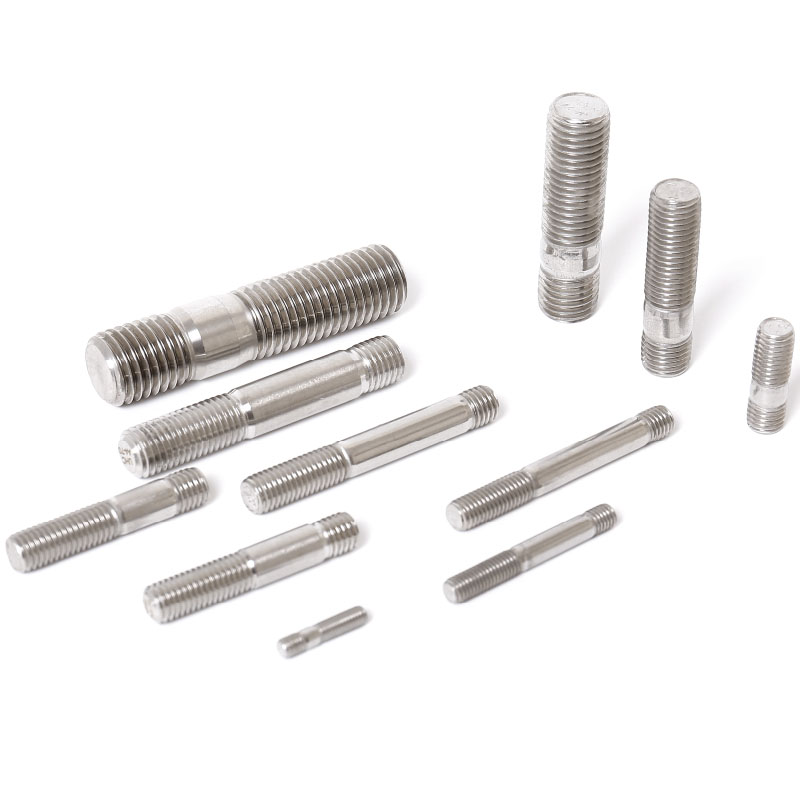
Caption: Threaded rods and studs are commonly used in power generation, marine, and infrastructure fastening projects.
Download the UHC Product Brochure
Contact: Michael Shen — michaelshen@uhc-group.com.cn / sales@uhc-group.com.cn
Sources and Standards
- Grand View Research, Industrial Fasteners Market, Linking text: https://www.grandviewresearch.com/industry-analysis/industrial-fasteners-market
- The Insight Partners, Wind Power Fastener Market, Linking text: https://www.theinsightpartners.com/reports/wind-power-fastener-market
- Fortune Business Insights, Aerospace Superalloy Fasteners Market, Linking text: https://www.fortunebusinessinsights.com/aerospace-fasteners-market-101614
- Fact.MR, Titanium Aerospace Fasteners Market, Linking text: https://www.factmr.com/report/titanium-aerospace-fasteners-market
- Global Wind Energy Council, Global Wind Report 2024, Linking text: https://gwec.net/global-wind-report-2024/
- China Association of the National Shipbuilding Industry, available at http://www.cansi.org.cn/
- European Commission, Pressure Equipment Directive, PED 2014/68/EU
- ISO 3506-1:2020, Fasteners — Corrosion-resistant stainless steel fasteners
- EN 14399, High-strength structural bolting assemblies for preloading
Project and Scenario Coverage
This article covers high-performance fastener project scenarios in petrochemical, power generation, aerospace, automotive, marine and offshore, construction and infrastructure, industrial machinery, rail transit, and home appliance and consumer goods applications. The product lines referenced include bolts, nuts, screws, threaded rods and studs, rivets, washers, and custom industrial hardware.
Have Questions or Need More Details?
Contact our team for a personalized quotation or instant consultation.
Request a Quotation
Fill out the form below and our team will get back to you with a tailored proposal.
WhatsApp Direct Chat
Prefer to chat in real-time? Message us on WhatsApp for instant assistance & quick answers.
- Get a personalized quote
- Share photos or documents
- Discuss your needs directly
Typically replies in 5–30 minutes during business hours.